
"wild coffee taste"
7000 article(s) found

Ethiopia Sidamo wild G3 sun-cured coffee beans coffee flavor characteristics how to drink?
Professional coffee knowledge exchange more coffee bean information please follow the coffee workshop (Wechat official account cafe_style) Ethiopia is the country where coffee was first discovered, coffee can be divided into two treatments. Washing treatment method II. Natural sun treatment. Nowadays, every cooperative or even a small coffee farm in Ethiopia produces coffee beans of the above two treatments at the same time, whether

Global coffee production Ethiopia coffee production
The coffee tree originated in Ethiopia, where it was originally a wild plant, and the name coffee comes from the Ethiopian town of Kaffa. Humans probably knew how to cultivate coffee trees as early as the 9th century. Ethiopia's coffee growing area: Ethiopia's many coffee trees are still wild plants, this coffee tree grows coffee particles full

Taste wild boutique Burundian coffee flavor description, taste characteristics, treatment methods
[Bulongdi Champion processing Plant] is located at the Maerdadi Peak of the Panjia processing Plant in Cabuye District, Kajanza Province. It is very high above sea level, and there are even mountains over 2000 meters. The soil is fertile, the soil is humid, and the coffee grows very well. Burundian Coffee, which is recognized as the best coffee processing factory in Burundi, bears a striking resemblance to neighboring Rwanda, where coffee is often produced.
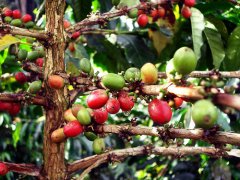
Wild berry flavor Kenyan coffee boutique coffee beans
Kenya AA (Kenya AA) has strong acidity, strong mellowness, smooth taste and slight aroma of Tangy sharp acidity, full body, smooth mildly winey flavor, well balanced. Kenya is located in the south of Ethiopia and Yemen, only hundreds of kilometers away from the two world-famous coffee producers. The vast majority of Kenya
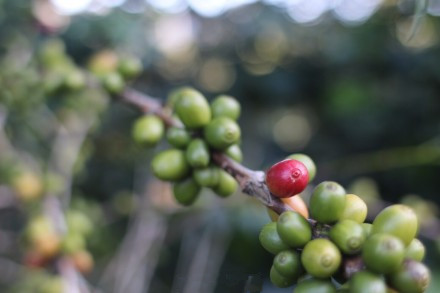
Ethiopian coffee the characteristics of Ethiopian coffee
The coffee tree originated in Ethiopia, which was originally a wild plant here, and the name coffee comes from the Ethiopian town of Kaffa. Humans may have known how to grow coffee trees as early as the 9th century. Coffee producing area in Ethiopia: many coffee trees in Ethiopia are still wild plants, and the coffee grown on this coffee tree is full of grains.

Boutique coffee common sense Ethiopian coffee
The coffee tree originated in Ethiopia, which was originally a wild plant here, and the name coffee comes from the Ethiopian town of Kaffa. Humans may have known how to grow coffee trees as early as the 9th century. Coffee producing area in Ethiopia: many coffee trees in Ethiopia are still wild plants, and the coffee grown on this coffee tree is full of grains.

Ethiopian coffee producing area Ethiopian coffee elegant demeanor Ethiopian coffee special
The coffee tree originated in Ethiopia, which was originally a wild plant here, and the name coffee comes from the Ethiopian town of Kaffa. Humans may have known how to grow coffee trees as early as the 9th century. Coffee producing area in Ethiopia: many coffee trees in Ethiopia are still wild plants, and the coffee grown on this coffee tree is full of grains.

Coffee producing area in Ethiopia details Ethiopian coffee
The coffee tree originated in Ethiopia, which was originally a wild plant here, and the name coffee comes from the Ethiopian town of Kaffa. Humans may have known how to grow coffee trees as early as the 9th century. Coffee producing area in Ethiopia: many coffee trees in Ethiopia are still wild plants, and the coffee grown on this coffee tree is full of grains.

Wild Rose-Harald Coffee has a strong wine flavor, and some are fragrant.
Professional coffee knowledge exchange more coffee bean information please follow Coffee Workshop (Wechat official account cafe_style) Harald Coffee is a very special kind of coffee, its taste is very aggressive, ready to defeat your taste buds, a cup of Ethiopian Harald Coffee can bring you the original experience you have never had before. Harald is an ancient city with a long history.

Global Coffee producing area-Ethiopian Coffee Market
The coffee tree originated in Ethiopia, which was originally a wild plant here, and the name coffee comes from the Ethiopian town of Kaffa. Humans may have known how to grow coffee trees as early as the 9th century. Coffee producing area in Ethiopia: many coffee trees in Ethiopia are still wild plants, and the coffee grown on this coffee tree is full of grains.

coffee producing areas| Ethiopian Harar Wild Coffee Details
Ethiopia is the world's largest coffee gene pool. As the birthplace of coffee, Ethiopia has nine fine coffee producing areas, rich in coffee varieties, and different coffee producing areas breed different coffee flavors. Ethiopia's nine major producing areas: Yegashefi, Sidama, Hara, Limu, Kimma, Irubaba, Kimbi (Lekanti), Tiebi (Bebeka), Tana

Introduction of Kopi Luwak Manor
We got something! This is the first collection point. Among them, there are at least three kinds of wild fruit stone, after identification, wild jujube and mountain plum and a kind of sesame size do not know what is. There is only a small lump of coffee, which should be only about 4 grams when processed into coffee rice. There is also a deep gully below this collection point. Kopi Luwak burnt to ashes was found on a piece of land burned by a hill fire, of course

Tanzania Kilimanjaro Coffee the characteristics of Kilimanjaro coffee are unimaginably wild
Professional coffee knowledge exchange more coffee bean information please follow the coffee workshop (Wechat official account cafe_style) front street-Tanzania Kilimanjaro coffee introduction [coffee origin-Tanzania] coffee beans in Tanzania have extraordinary quality and are produced in the Mohi district near Mount Kilimanjaro. Mountain areas with a height of 3,000 to 6,000 feet are the most suitable for planting.

In addition to civet coffee, have you ever heard of monkey coffee?
Professional coffee knowledge exchange more coffee bean information please follow the coffee workshop (Wechat official account cafe_style) you may have heard of Luwak civet coffee, but monkey coffee is more rare and precious, in addition to the monkey itself naughty and spicy destruction of personality, more picky and destructive to the selected fruit, only sweet coffee fruit will be chewed, otherwise it will be chewed up and eaten

Twelve famous high-quality coffee producers in Ethiopia
The coffee tree originated in Ethiopia, which was originally a wild plant here, and the name coffee comes from the Ethiopian town of Kaffa. Humans may have known how to grow coffee trees as early as the 9th century. Coffee producing area in Ethiopia: many coffee trees in Ethiopia are still wild plants, and the coffee grown on this coffee tree is full of grains.

Illustration of the world-famous Kopi Luwak making process
Muscat coffee (Kopi Luwak), Kopi (Indonesian, coffee), Luwak refers to a kind of arboreal wild animal commonly known as civet in Indonesia. Civet coffee is the most expensive coffee in the world, with a price of several hundred US dollars per pound. It is extracted from the feces of the civet and processed. The civet eats the ripe coffee fruit and is excreted through the digestive system.

Why is Kopi Luwak so special? what's the difference between Indonesian Kopi Luwak and ordinary Kopi Luwak?
Professional coffee knowledge exchange more coffee bean information Please follow the coffee workshop (Wechat official account cafe_style) Kopi Luwak (Kopi Luwak), which refers to coffee made from coffee beans excreted by civet feces. Kopi Luwak is a kind of coffee, not a brand. There are many different brands, quality and prices of Kopi Luwak, how to choose? Different kinds of coffee
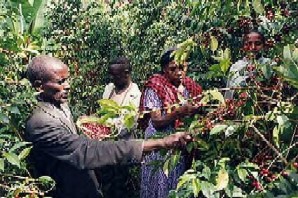
World boutique Coffee Manor beans: Yega Snow Flavor (part two) Wild Flavor in Ethiopia
[product name]: Ethiopia Ethiopia Yirgacheffe [quality rating]: WP Grade 2 [baking]: recommended moderate baking (Medium Roast or City Roast) [grade]: excellent [granule]: ★ full [acidity]: ★★★★ slightly sour, dark chocolate aftertaste [balance]: ★★★★ is very stable
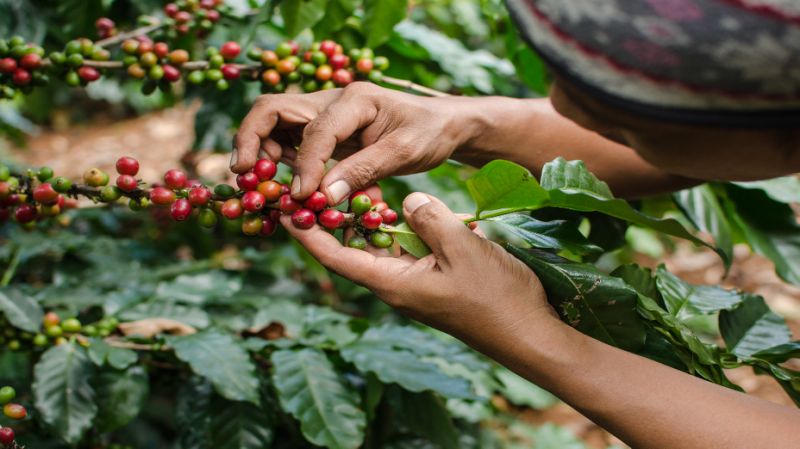
Climate change 60% of wild coffee beans may become extinct! Arabica is an endangered species!
Professional coffee knowledge exchange more coffee bean information Please follow the coffee workshop (official Wechat account cafe_style) many people regard coffee as spiritual food, and the world can drink 2 billion cups of coffee a day. However, researchers at the Royal Botanical Garden say 60% of the world's wild coffee varieties face the threat of climate change, the loss of deforestation habitats and the threat of diseases and pests.

Ethiopian boutique coffee introduces the characteristics of Ethiopian coffee Ethiopian coffee
The coffee tree originated in Ethiopia, which was originally a wild plant here, and the name coffee comes from the Ethiopian town of Kaffa. Humans may have known how to grow coffee trees as early as the 9th century. Coffee producing area in Ethiopia: many coffee trees in Ethiopia are still wild plants, and the coffee grown on this coffee tree is full of grains.